22 Jul 2026
Rest cycles and recovery windows: building accumulators around tennis draw lengths and football midweek fixtures
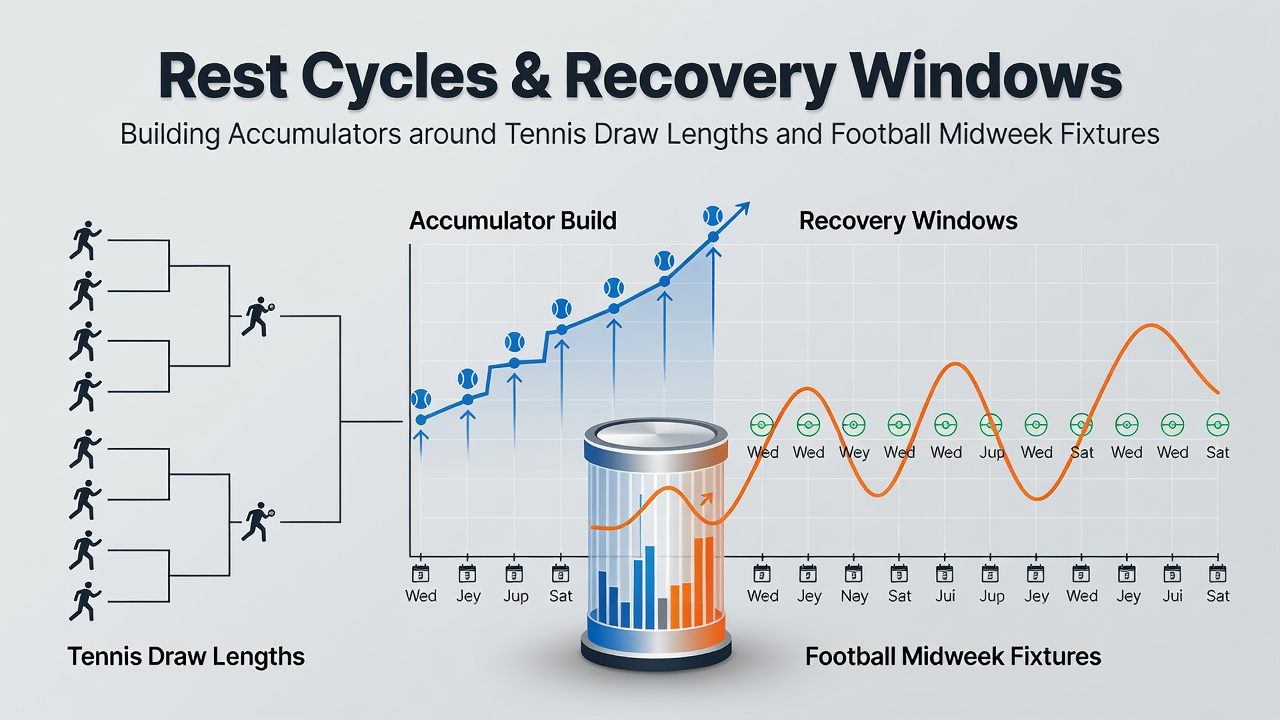
Rest cycles and recovery windows shape outcomes across tennis tournaments and football schedules where draw lengths stretch into multiple rounds while midweek fixtures compress preparation time between matches. Observers note that these patterns create measurable differences in player availability and team performance metrics tracked by leagues and federations alike. Data from major events shows how extended rest periods allow athletes to restore physical baselines whereas shorter intervals often correlate with elevated fatigue indicators in subsequent contests.
Tennis draw structures and their recovery demands
Grand Slam events extend across two weeks with best-of-five set matches in men's draws that can reach seven rounds for top seeds, whereas shorter ATP and WTA tournaments compress schedules into five to nine days. Researchers at sports science institutions have documented that players advancing deep into longer draws receive additional rest days between rounds yet accumulate cumulative workload from prior contests. According to studies published by the Australian Institute of Sport, recovery windows of 48 hours or more between matches correlate with improved serve percentages and reduced injury reports in later stages of events like the Australian Open and Wimbledon, the latter scheduled again for July 2026.
Those tracking match statistics find that five-set matches lasting over four hours leave measurable effects on movement efficiency in the following encounter, even with rest intervals. Tournament organizers adjust schedules to balance these loads, yet early-round exits versus deep runs still produce divergent recovery profiles that influence later performance data.
Football midweek fixtures and compressed preparation
European club competitions introduce midweek matches alongside domestic league weekends, creating sequences where teams play three games across eight or nine days. Figures from UEFA competitions reveal that squads advancing in Champions League or Europa League events encounter repeated short recovery cycles that affect squad rotation decisions and injury incidence rates. League tables maintained by domestic federations show elevated fixture congestion during autumn and spring months when international breaks further fragment preparation windows.
Analyses conducted by researchers at Loughborough University indicate that players logging over 60 minutes in midweek European ties often exhibit reduced high-intensity running distances in the subsequent league fixture, with effects most pronounced among defenders and midfielders. Clubs with deeper squads mitigate these impacts through rotation whereas thinner rosters display clearer performance dips tracked across multiple seasons.
Accumulator construction around rest differentials
Bettors constructing accumulators examine rest differentials between opponents where one side enters a match after a full week's recovery while the other returns from a midweek fixture. Performance databases maintained by sports analytics firms compile these variables alongside historical results to identify patterns in goal margins and set outcomes. In tennis, accumulators sometimes combine selections from players exiting early in one event with those enjoying byes or extended rest in concurrent tournaments.
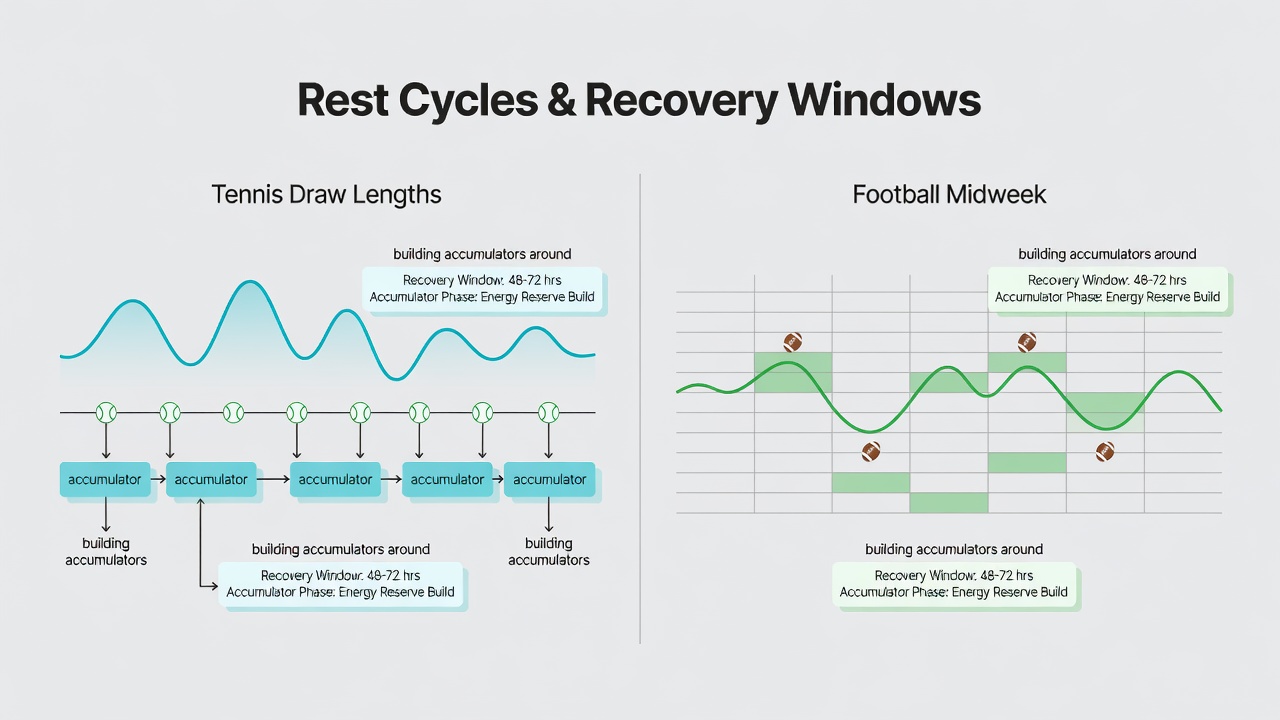
Cross-sport accumulators blend tennis matches featuring extended rest periods with football selections where home sides benefit from domestic-only schedules. Data compiled across multiple seasons demonstrates that teams averaging two additional recovery days between fixtures post higher average points per game in league play, though variance remains high due to opponent strength and travel demands. Similar patterns appear in tennis where players with 72-hour recovery gaps record higher first-serve win percentages than those returning after 24-hour turnarounds.
Seasonal patterns emerging in 2026
July 2026 brings overlapping considerations as Wimbledon concludes its fortnight while several European leagues enter pre-season preparation amid international tournaments. Observers tracking both calendars note that players transitioning from grass-court events to club duties face variable recovery windows depending on their tournament exit points. Historical datasets from prior years indicate measurable effects on early-season football performance when key squad members arrive with limited rest following extended tennis schedules.
Industry reports from organizations such as the International Olympic Committee highlight ongoing monitoring of athlete workloads across multiple sports, providing aggregate figures that inform scheduling discussions between federations. These datasets supply objective inputs for those modeling accumulator selections around rest variables rather than form alone.
Conclusion
Rest cycles and recovery windows supply quantifiable inputs that intersect with tennis draw lengths and football midweek fixtures in ways that performance records continue to document. Patterns identified through league statistics, tournament data, and academic analyses offer structured variables for accumulator construction while remaining subject to the inherent variability of individual matches and player responses. Continued collection of these metrics across 2026 events will refine understanding of how recovery differentials translate into observable outcomes on court and pitch alike.