29 Jul 2026
Recovery Timelines in Basketball Rosters and Racing Stables Shape Multi-Event Selection Timing
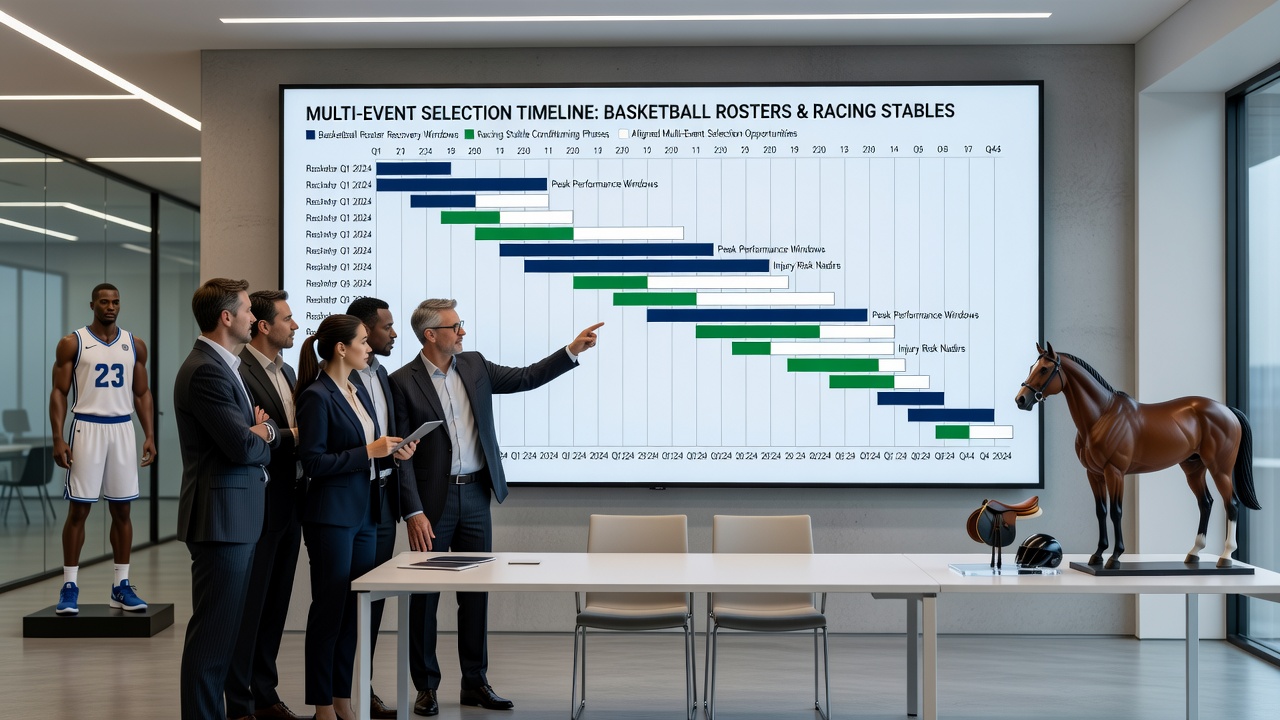
Coaches and trainers track recovery periods carefully across basketball schedules and thoroughbred racing calendars because rest intervals directly influence performance consistency in consecutive events, and those patterns feed into selection strategies for multi-event wagers. Studies on professional leagues show that teams with fewer than two full rest days between games record measurable drops in shooting efficiency and defensive metrics, while equine research indicates horses require specific intervals between starts to maintain peak speed and reduce injury risk.
Basketball Roster Recovery Patterns
NBA and collegiate schedules pack games into tight windows during winter and spring months, which forces athletic staff to monitor player load through metrics such as minutes played, travel distance, and sleep data collected via wearable devices. Research published by sports science departments at major universities demonstrates that back-to-back games reduce three-point percentages by an average of four to six points compared with games following two or more rest days, and rotation adjustments often appear in lineups released 48 hours ahead of tip-off. Observers note that teams traveling across time zones face additional recovery demands because circadian rhythm disruption compounds physical fatigue, and data from the 2025-2026 season revealed several franchises adjusting rotation minutes mid-season to protect key players ahead of playoff pushes.
Equine Recovery Windows in Racing Stables
Thoroughbred stables operate under different constraints because horses recover through structured training cycles rather than repeated high-intensity contests within a single week. Veterinary reports compiled by racing authorities in Australia and the United States indicate that most flat racers need between seven and fourteen days between starts to restore muscle glycogen and allow minor tissue repair, while jumps horses often follow longer intervals due to increased impact forces. Trainers publish declarations and workout reports that reveal when a horse returns to fast work after a race, and those announcements frequently align with betting market movements because sharp bettors track the same information to gauge current fitness levels.
Aligning Timelines Across Sports
Multi-event selections gain clarity when bettors overlay basketball rest data with racing stable schedules, since both domains produce public signals about upcoming availability. For instance, a basketball team playing on consecutive nights may rest its starters for the second contest, which alters point spreads and totals, while a horse entered two weeks after its last start may carry different expectations than one returning after only five days. July 2026 features overlapping international tournaments and major racing festivals that create dense calendars, and analysts who cross-reference player availability reports with stable declarations identify periods where one sport's recovery advantage coincides with another's. This overlap allows selection models to weight events differently depending on which participants enter with favorable rest profiles.

Industry reports from organizations such as the International Society of Sports Nutrition emphasize that consistent monitoring of recovery markers improves prediction accuracy for both human athletes and equine competitors. Those markers include heart-rate variability in players adn blood lactate readings in horses, and when both sets of data point toward optimal readiness on the same calendar date, multi-event selections can incorporate that alignment as a timing factor. Researchers at veterinary colleges have documented similar correlations in European racing jurisdictions, where trainers adjust entry patterns around known recovery thresholds to maximize performance output.
Practical Application in Selection Timing
Selection timing improves when analysts build calendars that mark both basketball back-to-backs and equine race intervals on the same grid, allowing patterns to emerge across weeks rather than isolated days. A roster facing three games in four nights may see reduced output in the third contest, while a stable that spaces starts at ten-day gaps may produce horses that hold form through a series of sprints. Cross-referencing these timelines with public injury reports and workout data produces a layered view that accounts for multiple variables simultaneously. Data collected during the 2025-2026 campaign showed measurable shifts in market odds once rest information became widely available, and those shifts occurred earlier when multiple sports released their schedules in coordinated blocks.
Conclusion
Recovery alignment across basketball rosters and racing stables supplies concrete timing signals that support multi-event selection frameworks. Public performance data, veterinary records, and schedule releases provide the raw inputs, and observers who map those inputs onto shared calendars identify periods when favorable conditions cluster across both domains. Continued collection of load-management statistics and equine fitness metrics will refine these models further as calendars evolve through 2026 and beyond.