14 Jun 2026
Black Market Betting Projections Emerge Ahead of 2026 World Cup

The Betting & Gaming Council has released analysis showing the illegal UK gambling market could draw approximately £200 million in stakes during the 2026 FIFA World Cup, and this projection comes with additional context about regulatory changes on the horizon. The tournament, scheduled to begin in June 2026, represents a major global sporting event that traditionally drives significant betting activity across regulated and unregulated channels alike.
Key Figures from the BGC Report
According to the Betting & Gaming Council data, the baseline estimate stands at £200 million in black market stakes, yet this amount could increase by as much as £50 million under specific conditions, reaching a potential total of £250 million. The analysis ties this potential rise directly to proposed financial risk assessments that would apply to licensed operators, and observers note how such measures might shift customer behavior toward unregulated platforms.
Researchers have calculated that more than 50,000 customers could migrate to illegal operators if the assessments proceed, while over 400,000 individuals might encounter additional verification processes within the regulated sector. These numbers form part of a broader projection that connects regulatory policy with market displacement patterns observed in previous major tournaments.
Regulatory Context and Market Dynamics
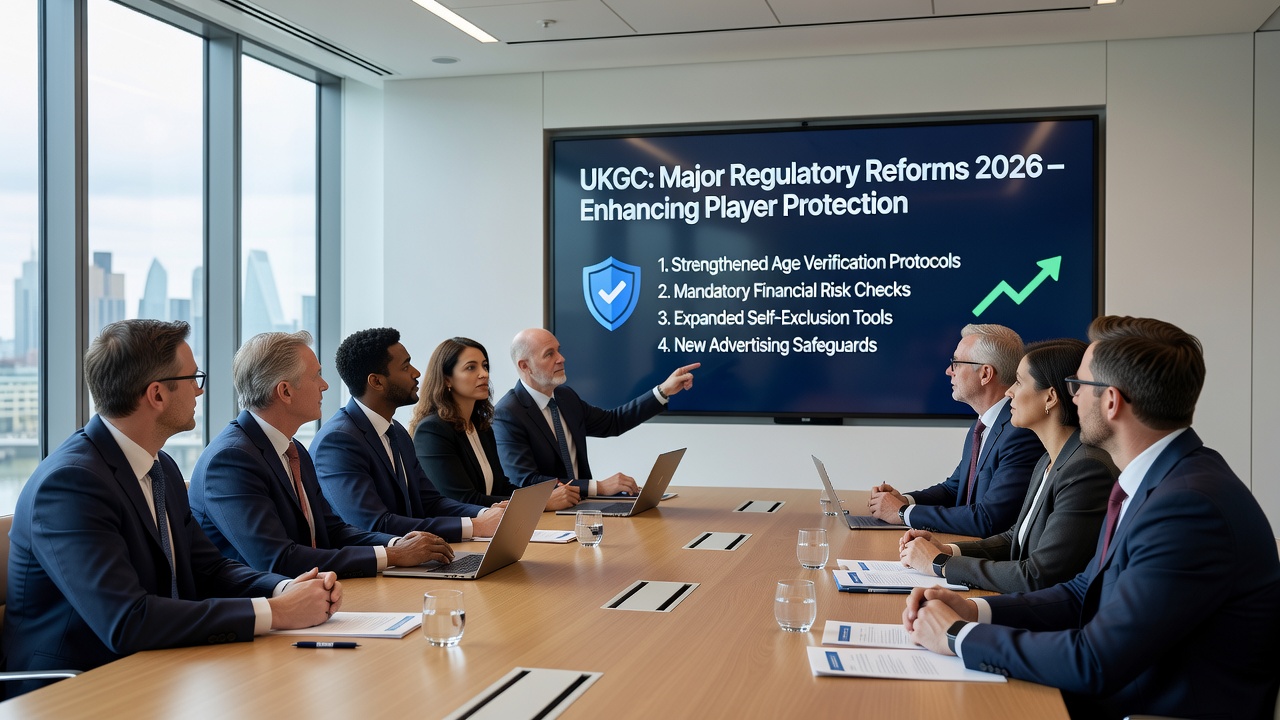
Financial risk assessments represent one element in ongoing discussions about player protection frameworks, and the BGC analysis examines how these checks could influence customer decisions during high-profile events like the World Cup. Data indicates that some bettors seek faster access and fewer restrictions when placing wagers on international matches, which creates openings for unregulated sites operating outside UK oversight.
Those who've tracked similar patterns across past tournaments point to spikes in black market activity whenever new compliance requirements appear on the horizon. The 2026 event, hosted across multiple countries with matches starting in June, provides a clear timeframe for these projections to play out in real time.
Projected Impacts on Customer Behavior
Analysts have identified several pathways through which customers might move toward illegal operators, and the report highlights migration figures alongside the scale of intrusive checks that could affect regulated users. Over 400,000 people stand to face enhanced verification steps under the proposed system, according to the modeling, and this volume of checks could extend processing times during peak betting periods around World Cup fixtures.
Evidence suggests that displacement effects become more pronounced when events generate widespread interest across casual and regular bettors alike. The £50 million uplift in projected black market stakes reflects scenarios where regulatory friction prompts some users to explore alternatives that bypass standard safeguards entirely.
Broader Implications for the 2026 Tournament
The FIFA World Cup in 2026 will feature an expanded format with 48 teams, and this structure extends the tournament duration while multiplying the number of matches available for betting consideration. The Betting & Gaming Council has connected this extended schedule to potential growth in both regulated and unregulated markets, with the black market projections accounting for sustained interest across multiple weeks of competition.
Figures reveal that illegal operators often target major events to attract new users through promotions that differ from those permitted under UK licensing rules. The analysis examines how this dynamic could intensify if proposed risk assessments alter the experience for customers who prefer quicker transaction methods and minimal documentation requirements.
One study revealed that displacement toward unregulated platforms tends to accelerate when regulatory changes coincide with high-visibility sporting calendars, and the upcoming World Cup fits this pattern according to the BGC modeling. Stakeholders in the licensed sector continue to monitor these developments as the 2026 tournament approaches.
Conclusion
The Betting & Gaming Council report provides specific projections about black market activity during the 2026 FIFA World Cup, and these figures include both baseline estimates and scenarios involving regulatory implementation. The analysis links proposed financial risk assessments to potential increases in unregulated stakes, customer migration numbers, and verification volumes within the licensed market. As the tournament draws nearer, these projections offer measurable benchmarks for tracking developments across regulated and illegal channels alike.